
I photograph the landscape. But I'm not a landscape photographer.
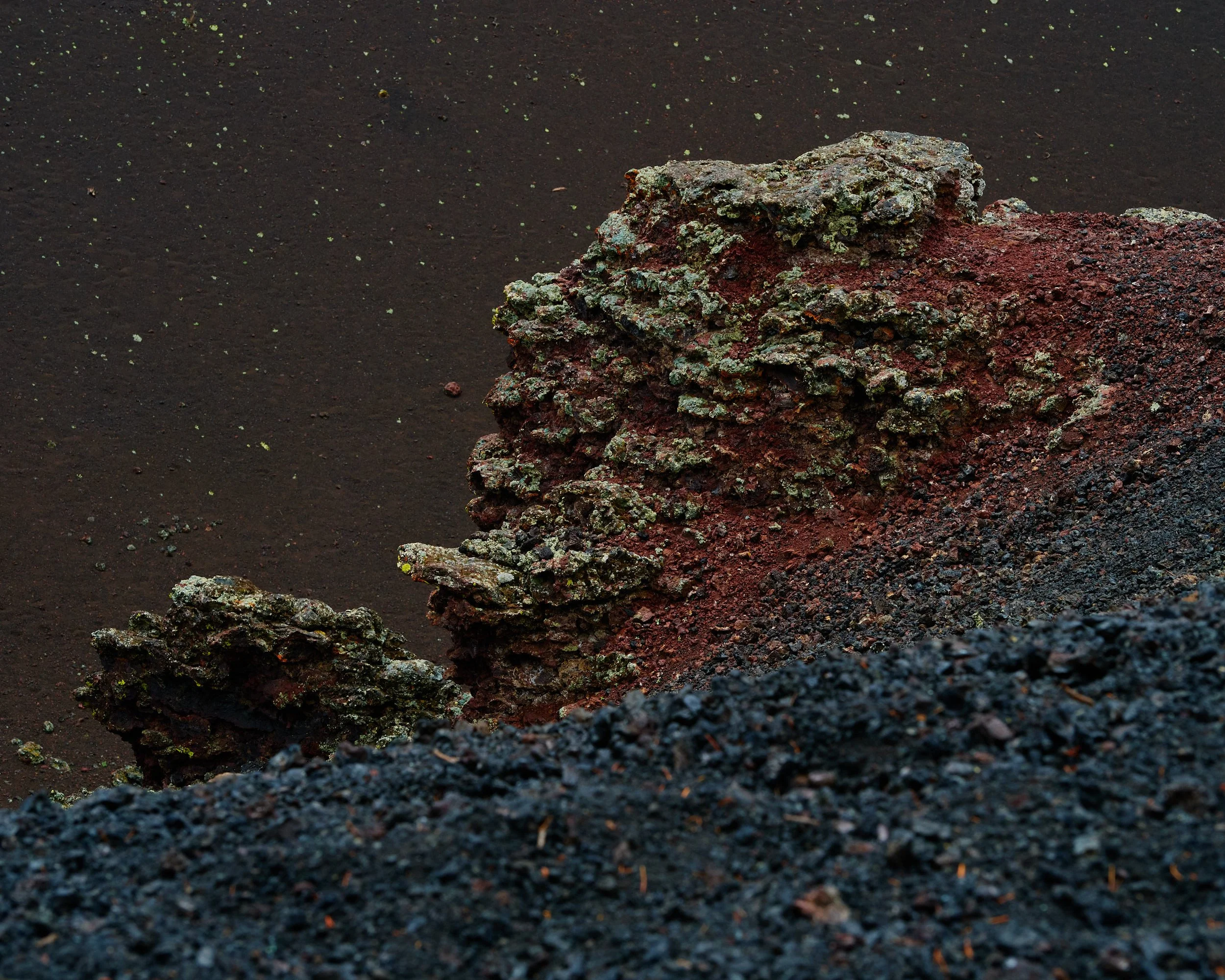
“Terrestrial Starry Night”, A photograph made in the landscape
Recently, during a roughly two week stay in Badlands National Park, I unintentionally overlapped two approaches to creating photographs and received a clearer than typical look at my mind when moving between them.
I make photographs in the landscape, but do not consider myself a landscape photographer. This is a distinction I often have to check in with, because there’s so much overlap in subject matter. How can you make photographs in and of the landscape, but not be a landscape photographer?
For a traditional landscape photograph, the photographer is there to document a place at its most attractive, preferably during the right time of year, with weather that augments its classically pastoral qualities. Maybe it’s the blooming tulips in the Netherlands. It might be the aspen trees in Colorado in early fall during their prime golden color. Perhaps it’s the rolling green hills of the Palouse in late spring and summer. The Floating Lake Leitisvatn of the Faroe Islands. Half Dome. A sunset. A sunrise. The Milky Way unnaturally bent over a rock formation.
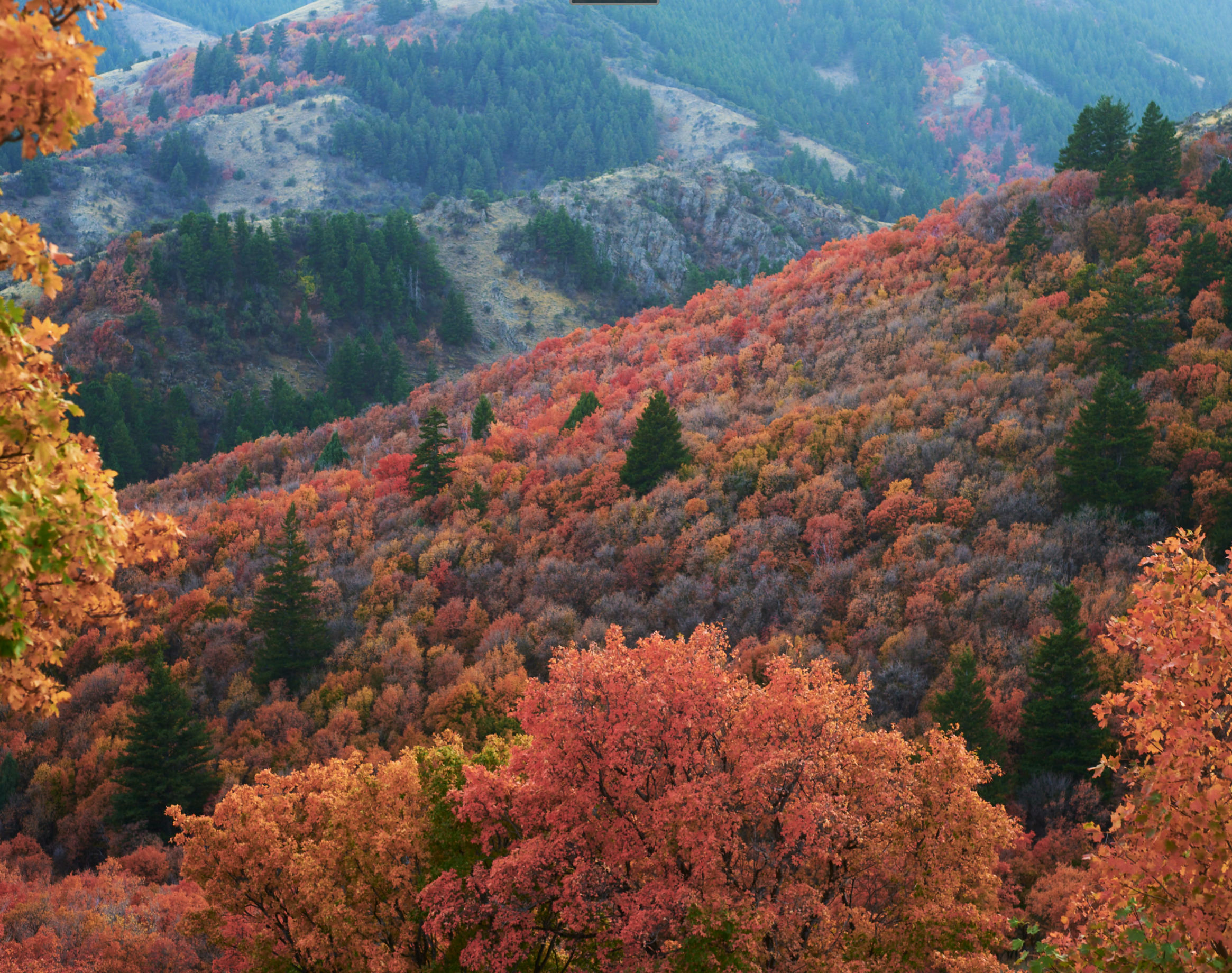
Fall foliage is pretty. No secret.
There is room for some interpretation in this approach. The photographer could seek to create a more moody scene with dark, brooding storm clouds and crepuscular rays shining down from a heavenly opening in the dark sky. The foreboding scene strikes a different tone, perhaps magnifying nature’s less classically attractive and more powerful qualities, but it is cut from the same cloth as the traditionally beautiful photograph. It is a landscape photograph. A photograph of the land, pure and simple. It does not ask more from the audience than for them to admire it and wonder at the uncommon and resplendent qualities of the terrain. Whether or not the audience places additional significance or conceptual baggage on top of the image is their business.
The traditional landscape image is uncomplicated, free from latent meaning or intention from the photographer aside from artfully, or faithfully, capturing the scene. We see images like these in galleries positioned in towns adjacent to national parks hoping to catch the eye of tourists looking to memorialize their most recent vacation before departure.
You’ll often find photographers flocking to these pretty places at eventful times of year, standing alongside one another with tripod legs overlapping in an awkward, jilted, nerdy tango. I can say that because I’ve done it. There is a formula for making this type of photograph. One that can be taught and imitated, and often is.
Finding originality in this style of landscape photography is nearly impossible. If you try to encapsulate the beauty of Mesa Arch at sunrise you will be doing so alongside (literally) bus loads of people with tripods, trying to take what is more or less the same photograph. The images will be largely the same on this day as they have been since the scene was first photographed. In this form of image making, perhaps at its most cynical, whoever gets the most unique conditions wins. Maybe lightning will strike, figuratively. Or, hell, literally.
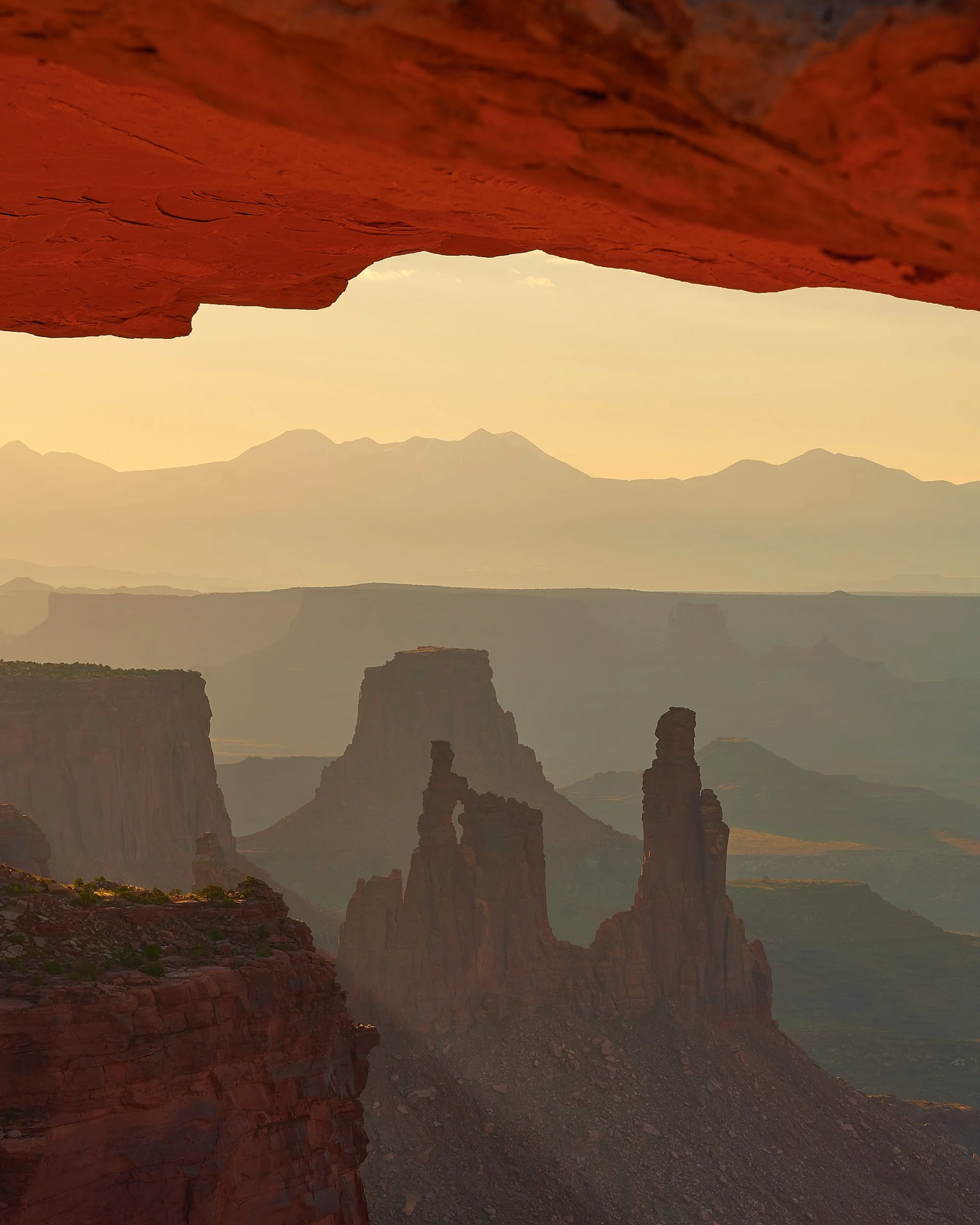
My rendition of Mesa Arch. A traditional landscape photograph. (Trophy)
I call photographers that strive to make images like these “trophy hunters”, myself included when I dip into this approach. “There are many like it, but this one is mine” so the rational goes for the photograph being taken that is already legion.
There is nothing inherently wrong with this, over-visitation aside. My descriptions are loaded with some cynicism, but beautiful places deserve to have their portraits taken. Our world is rich with locations most humans will agree are beautiful and find pleasure in gazing upon them, even if they have no direct connection to them, (an interesting thought itself, but a topic for another time).
To travel to Yosemite and be one of hundreds photographing Firefall is a kind of religious pilgrimage. To photograph something is to establish a relationship with it. Photographing a subject is more than simple observation. It is a recognition of the value of a thing, enough to place it on a pedestal and preserve its best qualities. The act of photographing a subject, in this context at least, can be a form of reverence, even worship.
Most people in the world do not have the means or time to travel to these locations, much less at the most picturesque time of year. Trophy hunters go out, claim their trophies, and display them for others to enjoy. Likewise, photographs of this kind can be used to promote conservation and effect change in similar worthy causes.
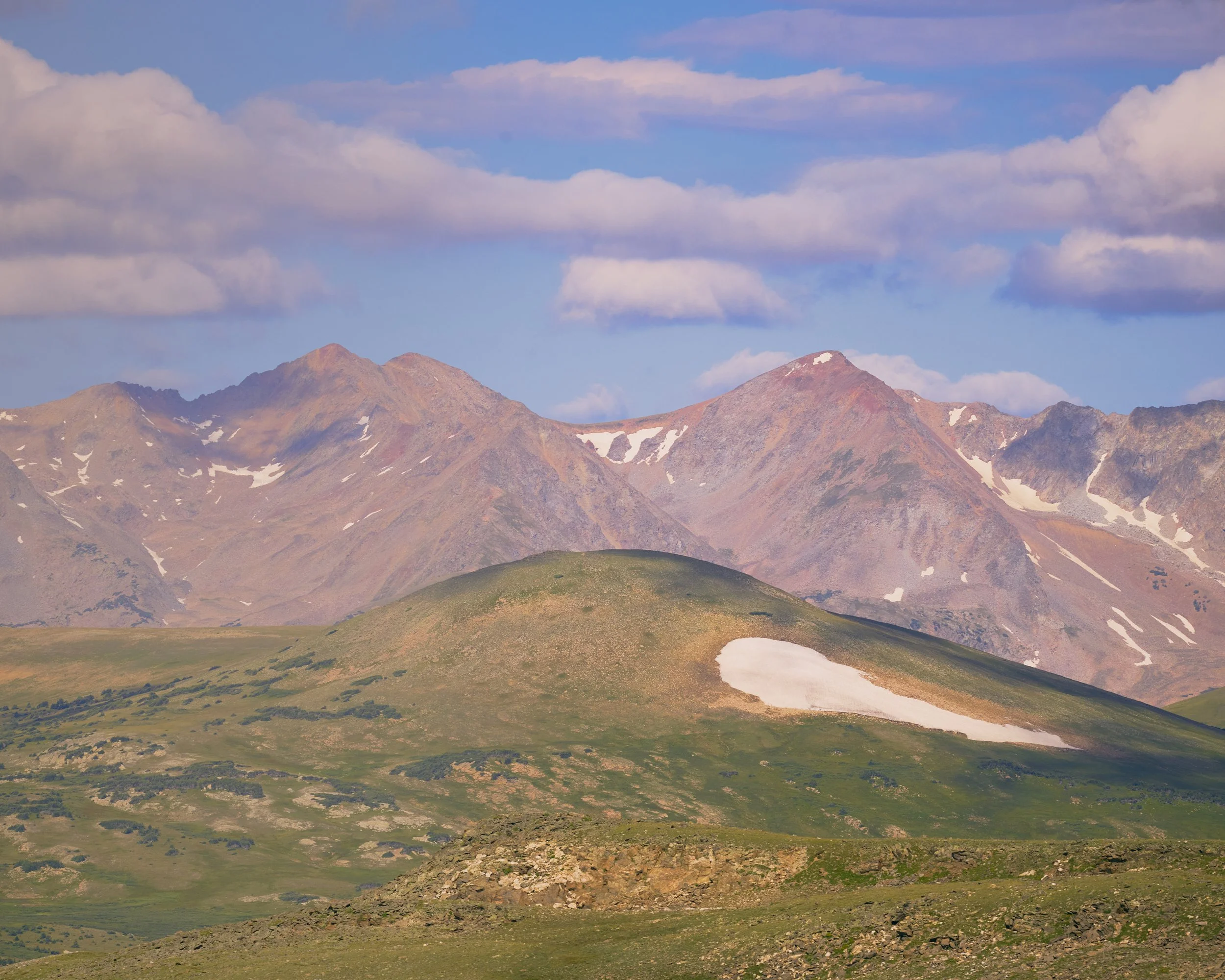
Another trad landscape photo from Rocky Mountain National Park.
Landscape photographers photograph the landscape. Things needn’t be more complex than that, and happily so. However, this is not how I typically identify as a photographer or as an artist. I do not strive to take versions of photographs others have taken, even though it can be argued that’s what all photographers inevitably do to one degree or another. I prefer to take the route of laying my concepts and ruminations on top of the landscape, finding compositions that, even remotely, begin to resonate with what I have in my mind. Even so, I found myself outside of this frame of mind recently in Badlands National Park.
It was mid afternoon and thick clouds were beginning to break apart. Occasionally, pools of bright sunlight would appear on the otherwise dim and dark landscape, move across the terrain rather quickly, and then vanish. This was an opportunity I did not want to pass up.
I started driving our van towards an overlook I knew could pay dividends. I got out, walked a short distance, composed a distant set of spires, and waited. Eventually, the clouds narrowly opened up to expose the sun to the formations I had hoped to photograph. The spires illuminated by the unabated sunlight dramatically contrasted the darkness of the rest of the dynamic landscape that lay under brooding, textured clouds.
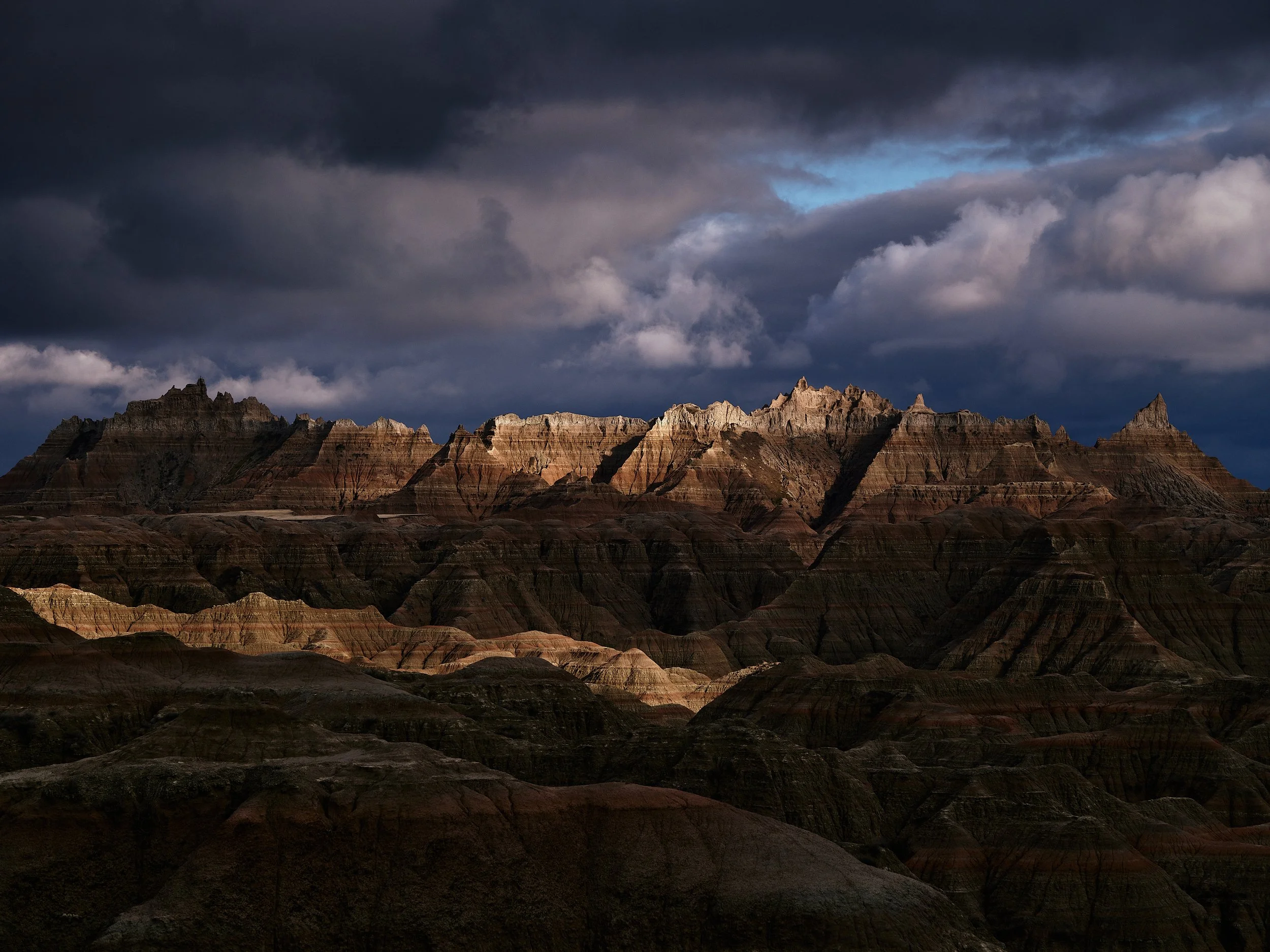
A landscape photograph
I had done it. I had taken a landscape photograph. I had taken a landscape photograph that… has been taken many times. I hadn’t sought to re-create an image, but I had. No originality was found in the choice of composition. The light, while attractive, was purely opportunistic. There was no thought in my mind, or intention in the choice of subject. I found an attractive place and photographed it with attractive weather. Moody? Yes. Beautiful? To my eye. Interesting? No.
Earlier I mentioned that there is nothing wrong with creating traditional landscape images. I truly believe that, and will often take the image of the pretty place with a smile on my face. However, I prefer to do this consciously.
A landscape photograph that knows its a landscape photograph. (Trophy)
However, when I go out to make work, I intend to communicate an idea through my photography, however scrambled, or if at all, received by a viewer. Photography is the medium and the landscape is the subject that I attempt to use to this end.
This is an important distinction, because that intention moves my camera over the environment like a planchette over an Ouija board. The compositions I choose are consciously and even subconsciously a reflection of the concept and frame of mind I take into the field. They determine the places I visit, the subjects I photograph, and the treatment of the images.
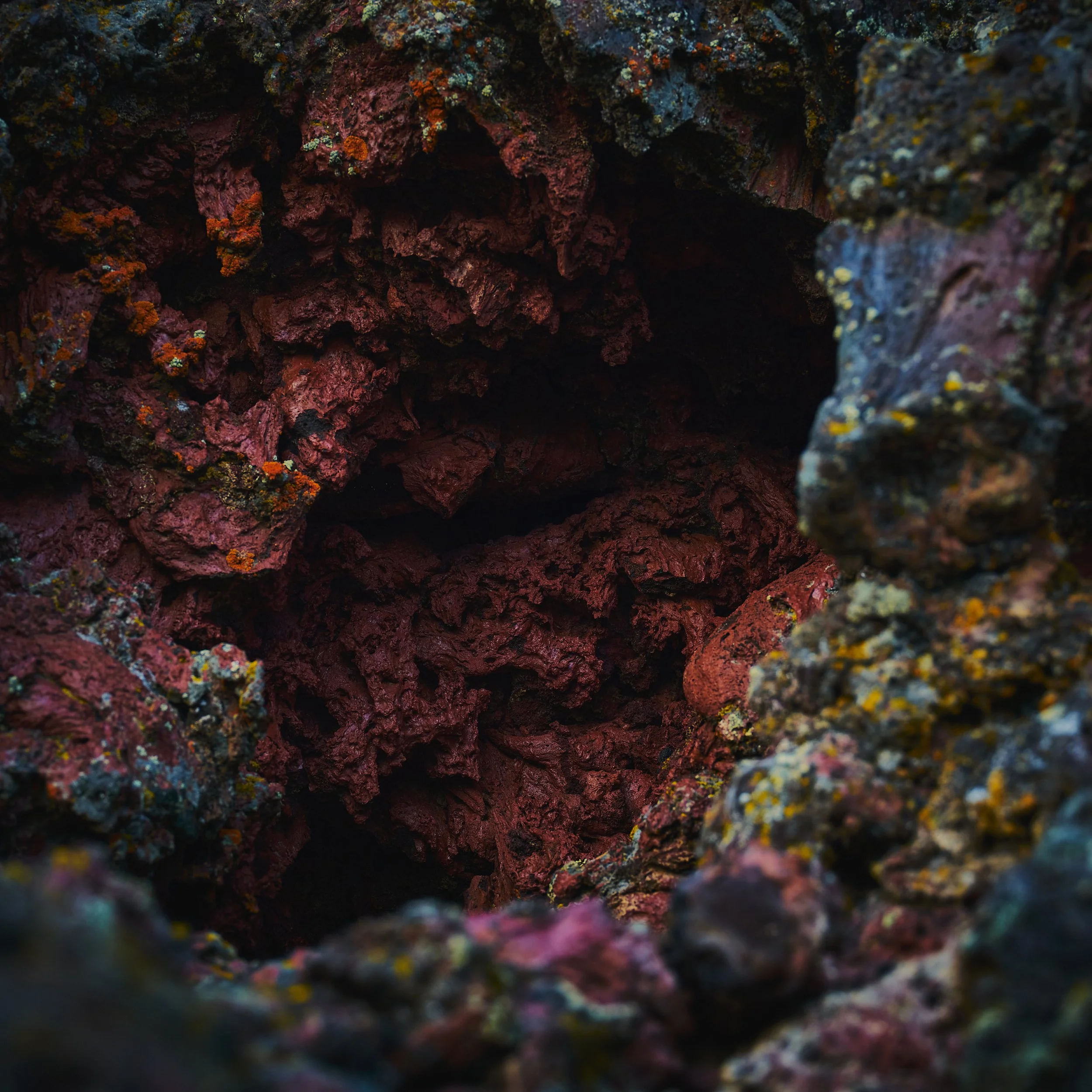
“Cicatrix”, Not a landscape photograph, but a photograph made in the landscape
Photographs made in the landscape in this manner may differ dramatically from traditional landscape photography. The scenes may very well be attractive, but imbued with a very different kind of beauty. These nature scenes are often not idealized. They may be subdued in color, dark, or obscured. The subjects themselves might be curious. Aesthetics matter greatly, of course, but they, intentionally, are not the aesthetics of traditional, or modern for that matter, landscape photographs.
The image I made in the badlands while believing to be influenced by my ideas and intention was, disappointingly, devoid of them. I like the image well enough. I enjoy looking at it and would be interested to see it printed large and hung on a wall. But it doesn’t speak to my vision as an artist.
By contrast, one of the first images I made during our stay in the badlands far more closely aligned with my intentions.
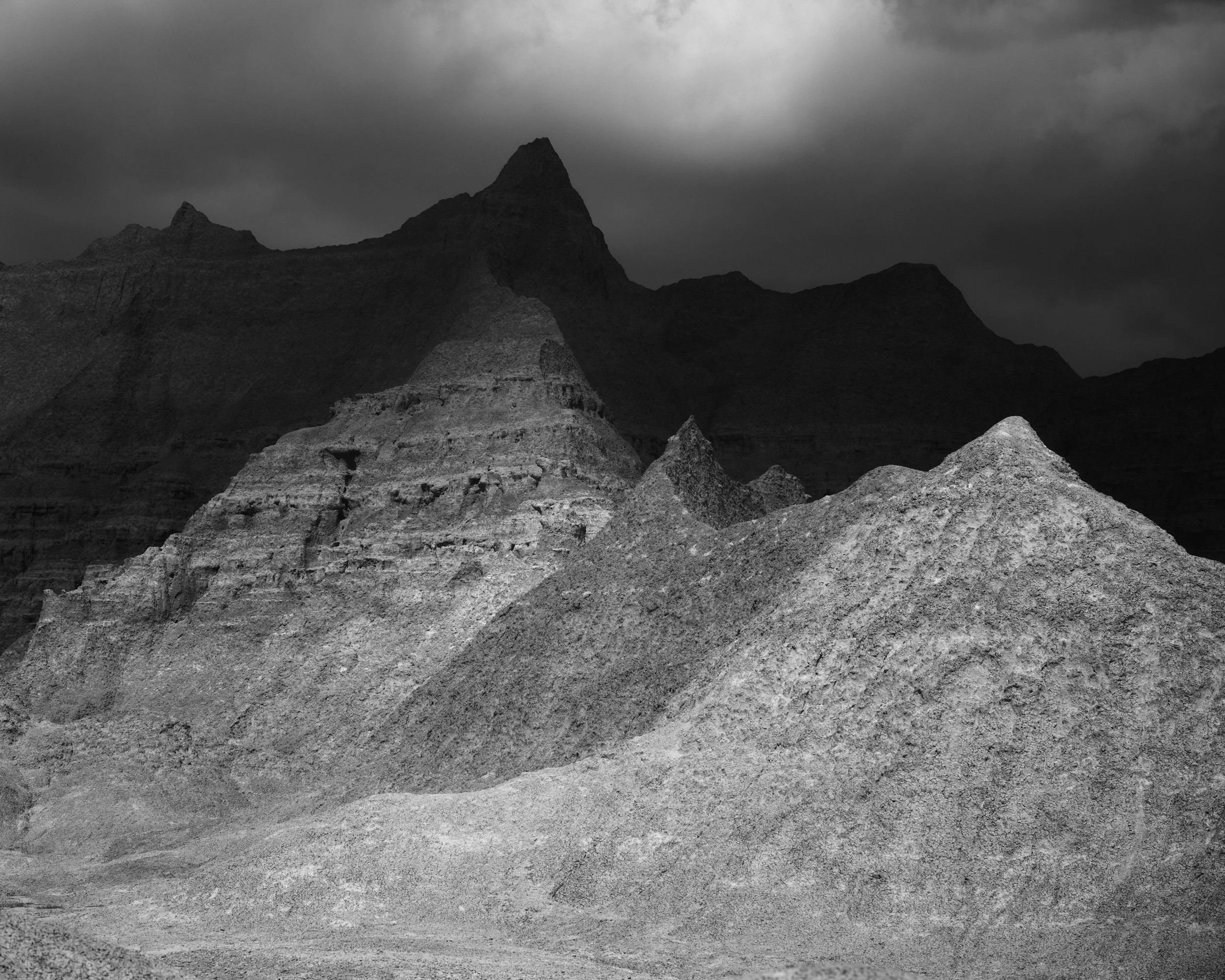
A photograph of the landscape
The background ridge in deep shadow that comes into light underneath a dark sky evokes emotion far stronger than the compared photo. The texture of the formation grips the eye and takes it left to right, top to bottom along the ridge, making stops for the striations in the mid ground. This is a strange place. Scale is difficult to ascertain.
I find this photograph far more interesting than the image prior because it makes me feel like this place could be representative of innumerable rocky worlds. The scene feels dark and ominous. It is safe to be here? There is mystery and complexity to the photograph the other does not contain.
Another person may not agree with any of the above. Of the people that find any of my photographs worth looking at, I expect most will gravitate towards the traditional badlands photograph. That’s ok.
Initially I was disappointed in that image, but in writing this article I’ve come to accept it. I’m grateful for the experience of shifting from innate intention to traditional landscape in the moment. I expect that my rush to take advantage of the conditions without an appropriate subject immediately in front of me led to a more traditional composition, and again, that’s fine. I was excited to capture what was right in front of me, and that’s a good feeling when you do it knowingly.
This was a rare occurrence when the desperation of chasing light overcame the real purpose of being in the location. Fortunately, I’ll learn from this and be more mindful next time conditions get interesting enough to panic over. Maybe when those conditions happen and I’m frantically looking for a subject, it’s an acceptable toss up. Find something attractive. Find something that communicates your ideas. Preferably both, but one will do.
It’s important to recognize that not every image has to be a shining example of who you are as an artist. Not every photograph I take defines me, my style, or my intentions. Thank the maker.
Also, it’s ok to take the pretty picture. It’s ok to find yourself in a place so stunningly attractive that you just have to take a piece of it for yourself. It doesn’t have to go in the portfolio or be placed in a meaningful project. Normally I understand that and can just take the pretty picture. This time was a little different, but it let me see inside of my thought process. And I’m grateful for it.
Thanks for reading.
