The Brutal Practicality of Smartphone Cameras
Not every scene worth photographing is worth photographing on a medium format camera system.
On a recent trip to New Mexico, Arizona, and Utah, I took a newly acquired iphone 16 Pro and put it up against my now years-old desire to buy a compact camera like a Fuji X100VI or Ricoh GRIII. I wanted to see how well the phone performed in scenes that I wanted to capture but either couldn’t, or knew they weren’t worth, puling the big GFX out.

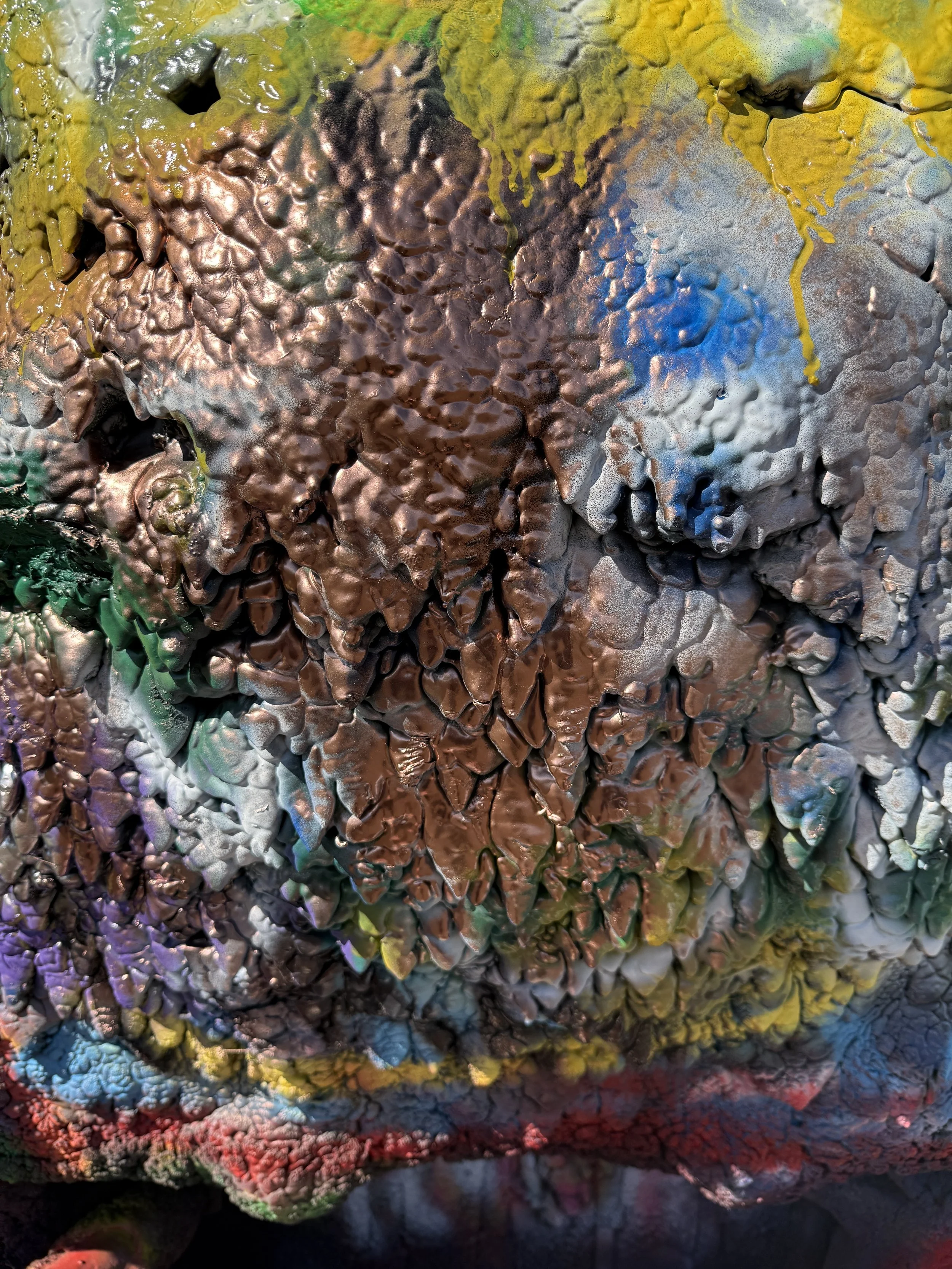
Panorama taken with the iPhone 16 Pro. Processed through Capture One.
I found that the phone performed exceptionally well for my uses. Far better than I was expecting. The phone performed so well, in fact, that I never once wished that I had a smaller, more accessible camera than the GFX 100 I use for stills and the Z6III I use for video.
One instance in particular solidified my opinion.
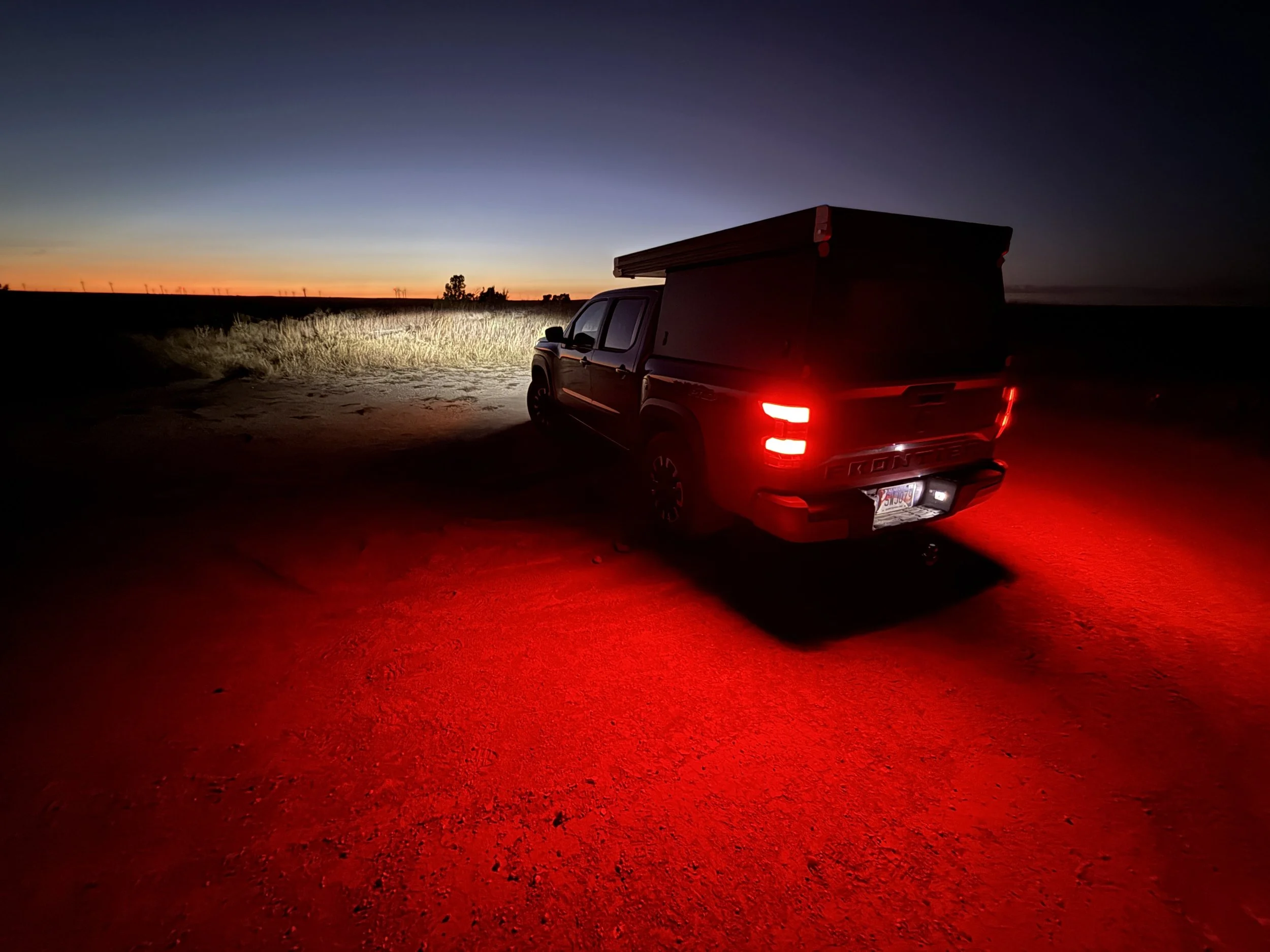
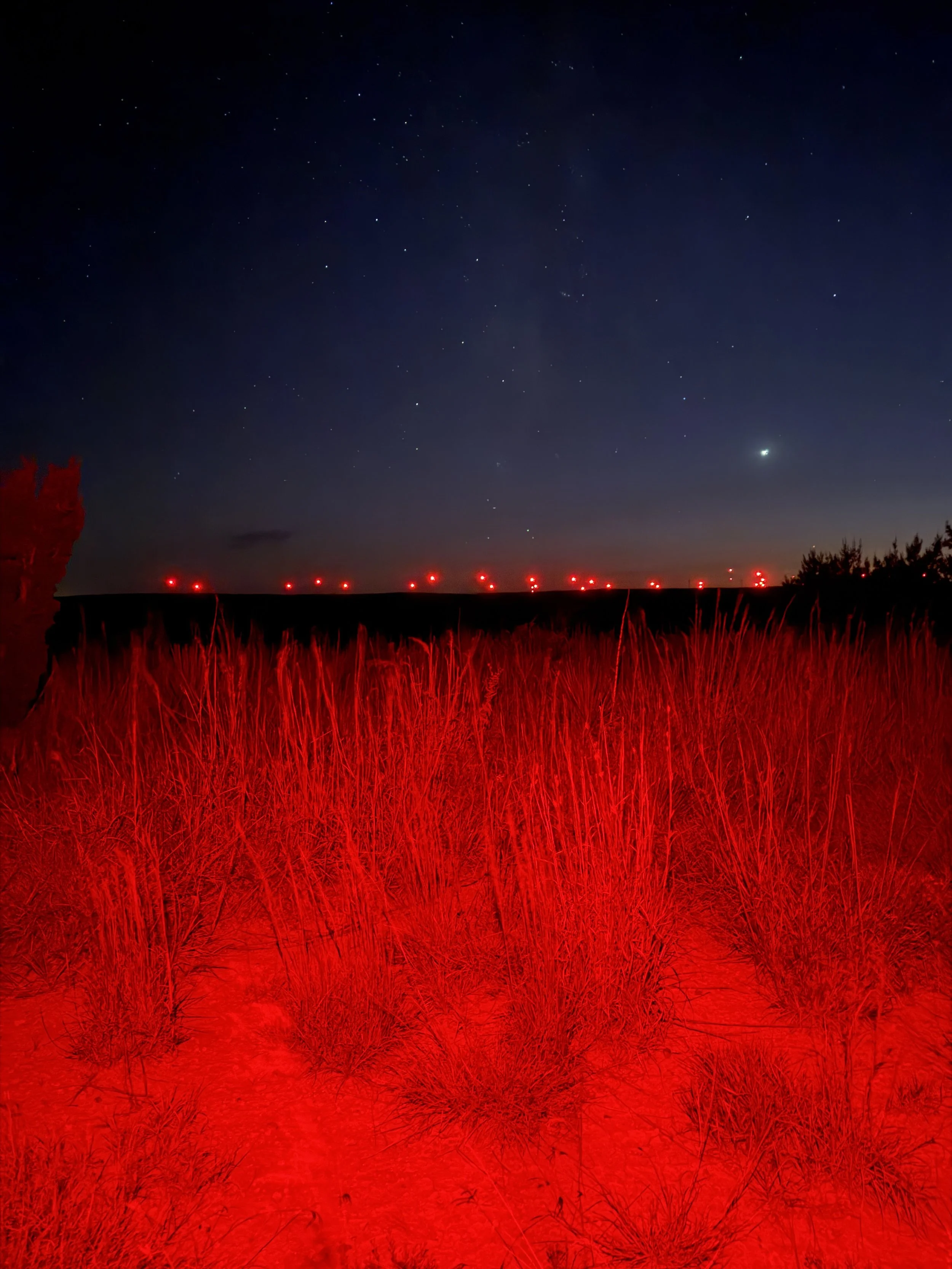
On my way to Santa Fe I found myself camped on a cliff in Texas. From my camp I could see what felt like hundreds of wind turbines on the horizon. As the sun set they began blinking red warning lights and made for a strange, ominous scene. On a whim I decided to pull out the phone try to capture them along with what my headlamp illuminated in the foreground. On facing the other direction, two light domes from nearby towns lay prominently on the horizon behind a dead tree and single track road illuminated by my headlamp in the foreground. Another opportunity to test the low light capability of the iPhone without any expectations.
Shot with the iPhone 16 Pro. 3.4s Handheld. No Post Processing.
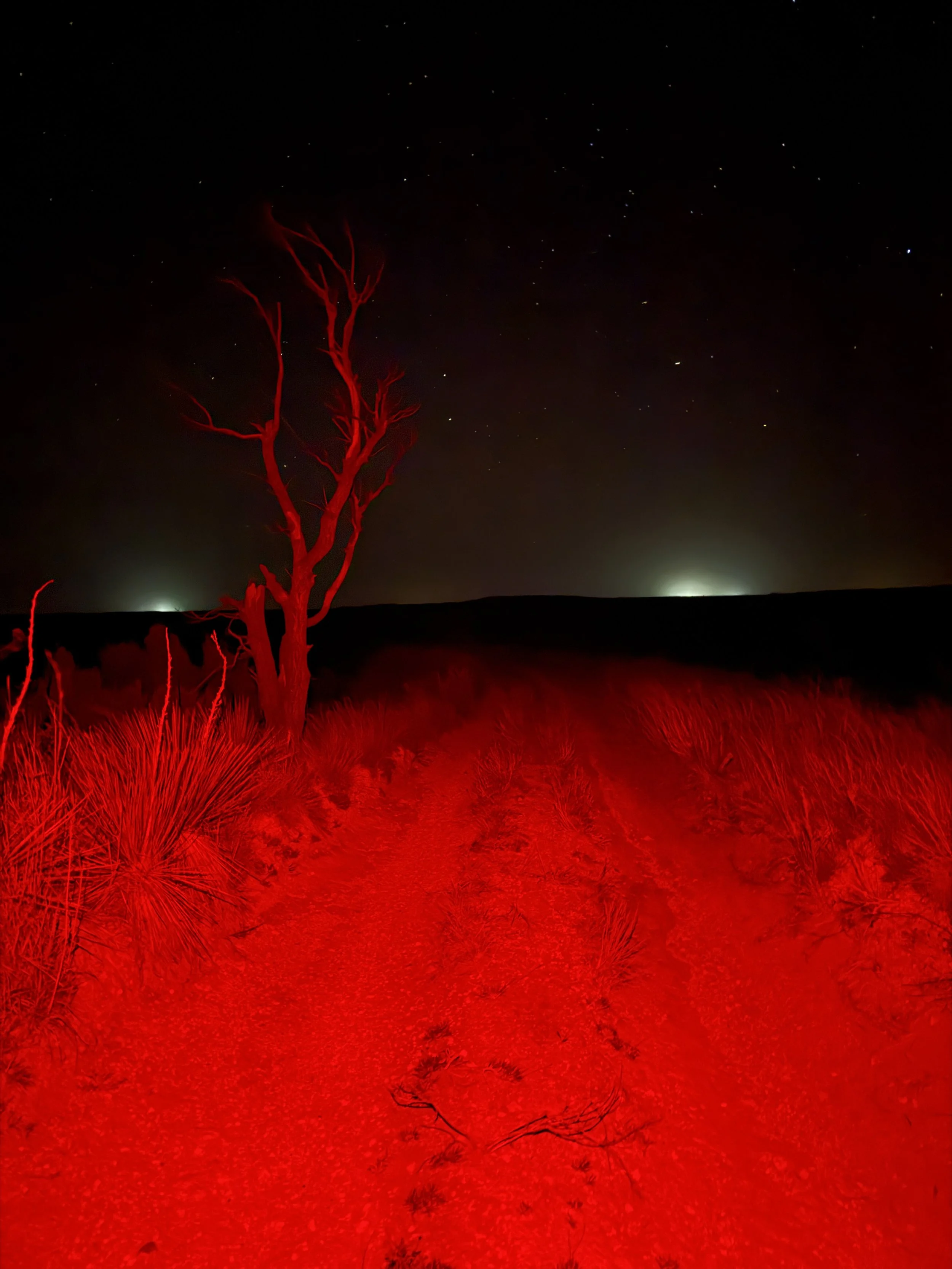
Shot with the iPhone 16 Pro. 3.4s Handheld. No Post Processing.
These images were captured with a “shutter speed” of 3.4s handheld. The quotes are because these images are made possible by computational imaging. The iPhone performs significant processing in camera that makes acceptable quality possible even in extremely challenging situations. After reviewing the initial image, judgements can be made regarding whether a better camera or other equipment, like a tripod, is warranted.
This is why the smartphone makes for such a good snapshot camera. It’s with you at all times, and doesn’t carry the pressure of justifying the time taken to compose with a larger camera. Its about experimentation with good enough quality to be reproduced in other locations that aren’t a 6” diagonal screen. This phone delivers that quality far better than my iPhone 12 did, enough so that I can capture raw images at full resolution and expect those images to be able to be printed without any trouble. In other words, I trust the cameras in the iPhone 16 Pro.
This is somewhat disappointing, as I wanted a compact camera like the Fuji X100VI. It’s a beautiful object. The photographic experience of putting the camera up to your eye is far superior than holding a phone out in front of your face. But that doesn’t actually matter in my situation.
If it were going to be my only camera, I’d choose a dedicated compact camera over the iphone because I want that experience, and I’ll appreciate the improved dynamic range and image quality a large sensor compact camera can provide. However, as a tertiary camera after my GFX and Z6III, there’s no reason for me to use anything except the device that also gives me turn by turn directions, makes phone calls, orders food, books flights, and sends messages. It just also happens to make quality images at a moment’s notice, in almost any scenario.
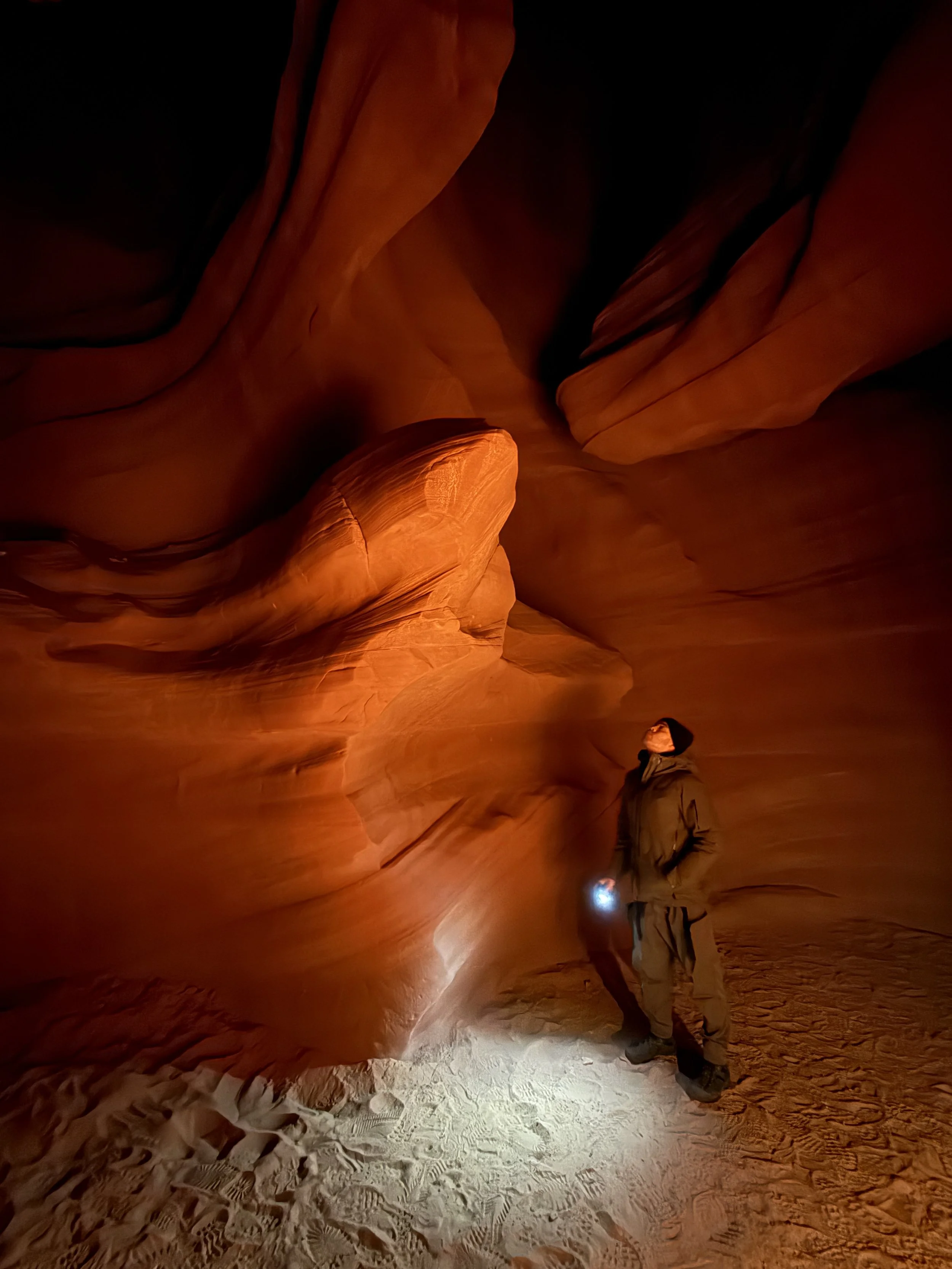
Here are some other images made with the iPhone I took on that trip that led me to write the above: