
The Leica M9 in 2025

The Leica M9 makes no sense in 2025. And yet…
I’ve written a follow up about this topic here.
Late last year I wrote a blog post about the brutal practicality of the iphone. In that post I wrote about how, even though I wanted a “walkaround” camera body, the iphone’s image quality was adequate enough and its computational features enabling enough in difficult conditions to prevent the purchase of another camera. “However, as a tertiary camera after my GFX and Z6III, there’s no reason for me to use anything except (my iphone)…” I wrote, disappointed, yet confident in my findings that those two camera bodies, combined with the iphone, sufficiently rounded out my stable of cameras. The GFX was for landscapes, tabletop, and big prints. The Z6 was for video and BTS. The iphone was for everyday use. No others were necessary.

Leica M9 and Voigtlander Nokton 50mm f/1.2 VM, 2025. Processed in Capture One.
I have a tendency to overly romanticize experiences, objects, and ideas. I’m aware of this tendency, so I try to catch myself when I begin to wax a little too philosophical about things that needn’t be philosophized about. Usually this works but occasionally I overcorrect. The idea that the raw pragmatism of the iPhone could (and should) beat out any notion of another camera to capture photographs in casual situations was one such overcorrection. This was made obvious recently when I decided to do something irresponsible…

Leica M9 and Voigtlander Nokton 50mm f/1.2 VM, 2025. Processed in Capture One.
Next to me is a Leica M9, a camera that makes no practical sense whatsoever in 2025. It sits on a side table like a sculpture sits on a pedestal; its gaudy red dot almost violently betraying any possibility that it could be mistaken for a more humble object. It’s not A Sony RX1 R I or II. It is not an X100VI. It’s not a Fuji GFX100RF. It’s not an X-Pro 1, 2, or 3.
It’s a fu***** Leica M. And at 16 years old, an outdated one.
Outperformed by every camera I mentioned above in most-if-not-every way on a spec sheet, the M9 is a strange object to reach for. Its ISO performance is pitiful. It is terribly slow. It’s tiny rear screen is laughably low res. Touchscreen? Please. There’s precious little information visible through the rangefinder. There’s no live view, or any sort of video at all. At 18 megapixels, it’s antiquated CCD sensor offers poor dynamic range and is adorably low resolution by modern standards. It is a digital relic. So why is it here?

Leica M9 and Voigtlander Nokton 50mm f/1.2 VM, 2025. Processed in Capture One.
Not a day goes by that photography doesn’t take up space in my mind, but that doesn’t necessarily lead to actually making images for me. I consider the next time I’m out in the field, critique the work I’ve already made, appreciate the work of others, and plan for the images I want to make next. But casually making photographs of my surroundings without a directive feels, for whatever reason, like a sunk opportunity cost. I could be writing or planning a trip to make “real” work.
This is something I want to change.
Photographic seeing is like a muscle- it needs to be exercised or else it will atrophy. I often notice potential images and try to mentally “capture” them, but this isn’t the same as composing a photograph. So why not finish the thought?
This is where a small, lightweight camera finds an opportunity to be useful. I use the iphone in this way, but I’ve become aware of the fact that I use the iphone out of necessity rather than desire, and that more often than not I’ll leave it in my pocket when I’m debating whether or not to capture an image. If I see an image that really asks to be captured, I know the iphone has all of the tools to photograph what I’m seeing with acceptable quality for most uses. It’s also always with me, a leg up on any other potential camera no matter what color dot is painted on the front.
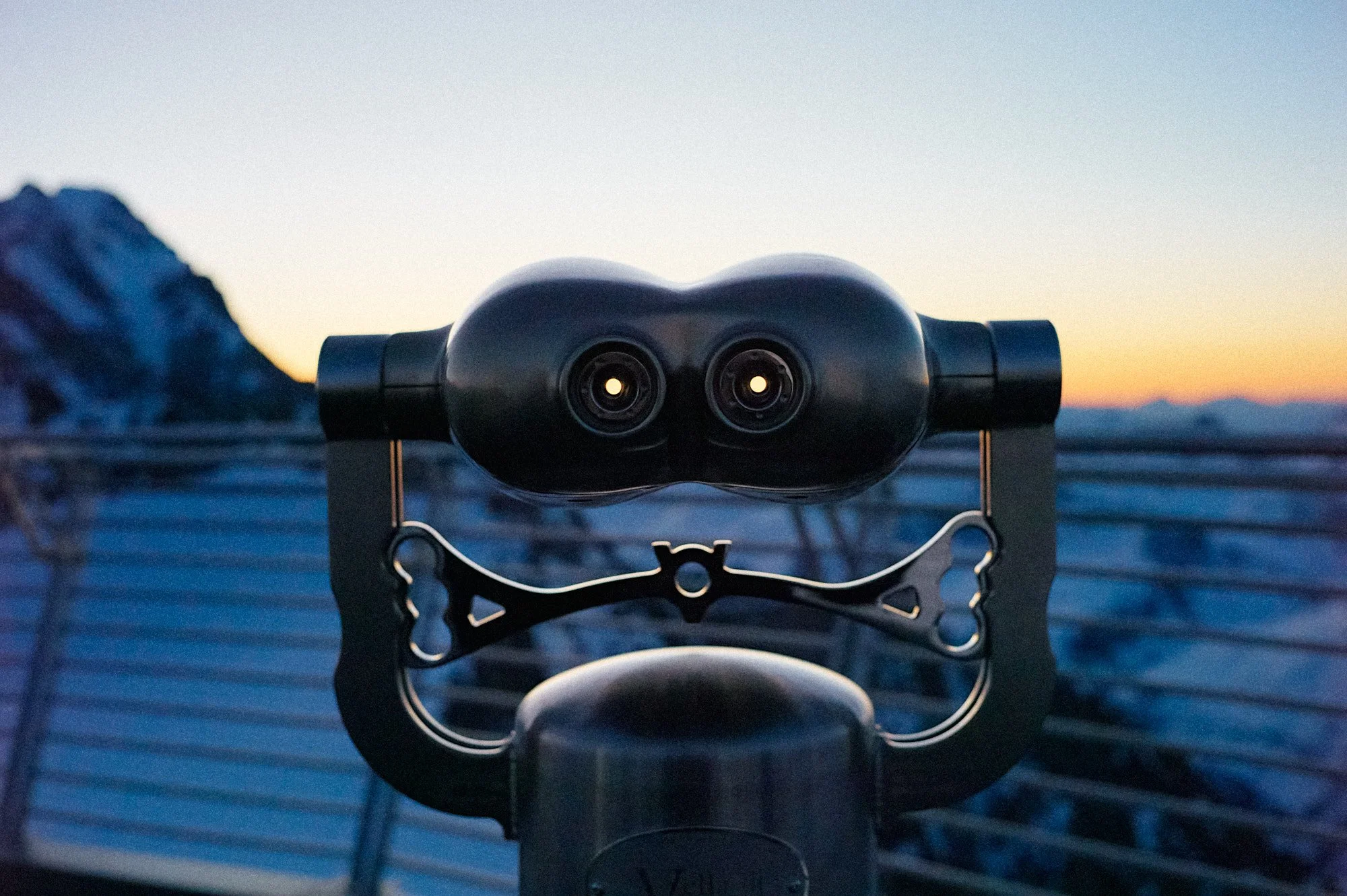
From the top of Skyway Monte Bianco, Italy. Leica M9, Voigtlander Nokton Classic 35mm ƒ1.4 II. Processed in Capture One.
That said, the iPhone is not something I’m eager to reach for to make an image. Its practicality can’t be denied. It can, and has, been used to make stunning images and films to great effect. However, the intangible quality of the experience of using it can’t stand up to the quality of the experience felt by using a dedicated camera.
This is where my anti-romanticization corrections want to kick in. I want to say that it doesn’t matter what camera one uses, and that it’s all about the final image. It’s just a tool, after all. I’ve posted before on Threads that the camera used should be the least interesting part of any photograph. I stand by that, but feel I should clarify. The camera should be the least interesting part of any photograph to the end viewer.
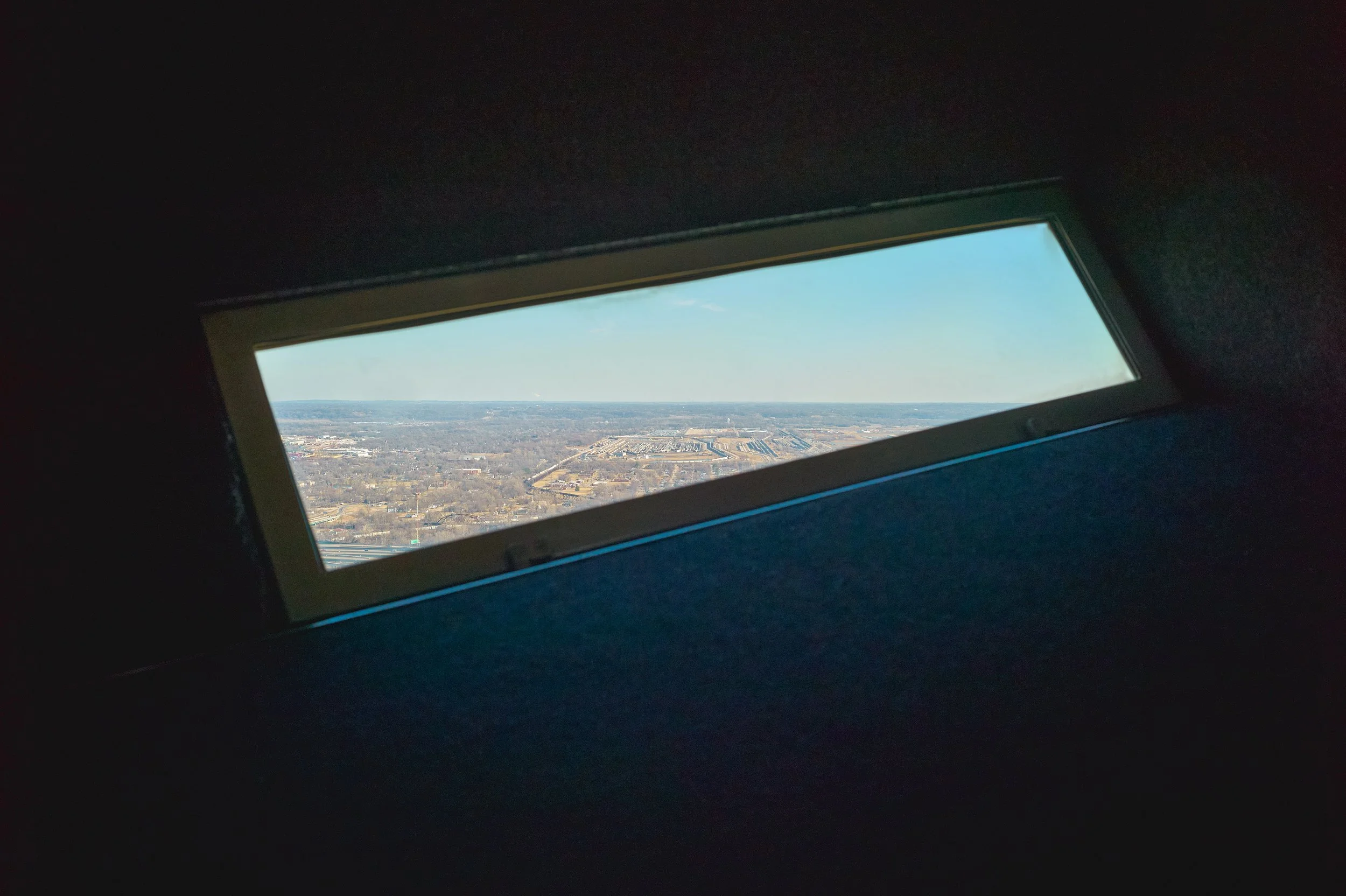
From the top of the St. Louis Arch. Leica M9 and Voigtlander Nokton 50mm f/1.2 VM, 2025. Processed in Capture One.
Artists are affected by the tools they use. Process is important whether it’s in ideation, execution, or both simultaneously. Process has the ability to bottle up creativity or let it flow freely. The best artists can make work with whatever tools they have at hand, absolutely. But when choices are available it makes sense to reach for the tools that foster creativity in tangible and intangible ways. I’m seeing that for me, at least right now, the Leica is one such tool.

Some of the most surprising formations I’ve ever seen. Leica M9 and Voigtlander Nokton 50mm f/1.2 VM, 2025. Processed in Capture One.
Its Kodak CCD behaves like slide film. It’s fast glass renders beautiful bokeh and sharp subjects with a soft glow wide open which I’m really coming to appreciate. Its rangefinder focusing provides a delightful challenge. The weight of its brass chassis feels oddly good in the hand. The sound of the shutter is satisfyingly analog. Its quirky menu and low resolution LCD are somehow charming. Its modest resolution reduces pressure for tack sharp imagery, yet can still be printed comfortably to 11x17 before upsampling. The camera itself is a beautiful thing to look at, and a pleasure to deploy to make a photograph. The M9 has the qualities of a film camera without film’s numerous hassles. It is, as many other you-tubers and bloggers have observed many times, the most delightfully analog digital camera to exist.
I find myself looking for excuses to make photographs with it. Interestingly, I can’t say the same about my GFX 100, Nikon Z6 III, or my iPhone. These are tools with specific tasks. They get the job done, and done well. The Leica is different. And here’s the important bit: it’s leading to photographs that wouldn’t exist without it.

Robert Bullivant of Bullivant Gallery and Consulting preparing a camera for fine art reproduction. Leica M9 and Voigtlander Nokton 50mm f/1.2 VM, 2025. Processed in Capture One.
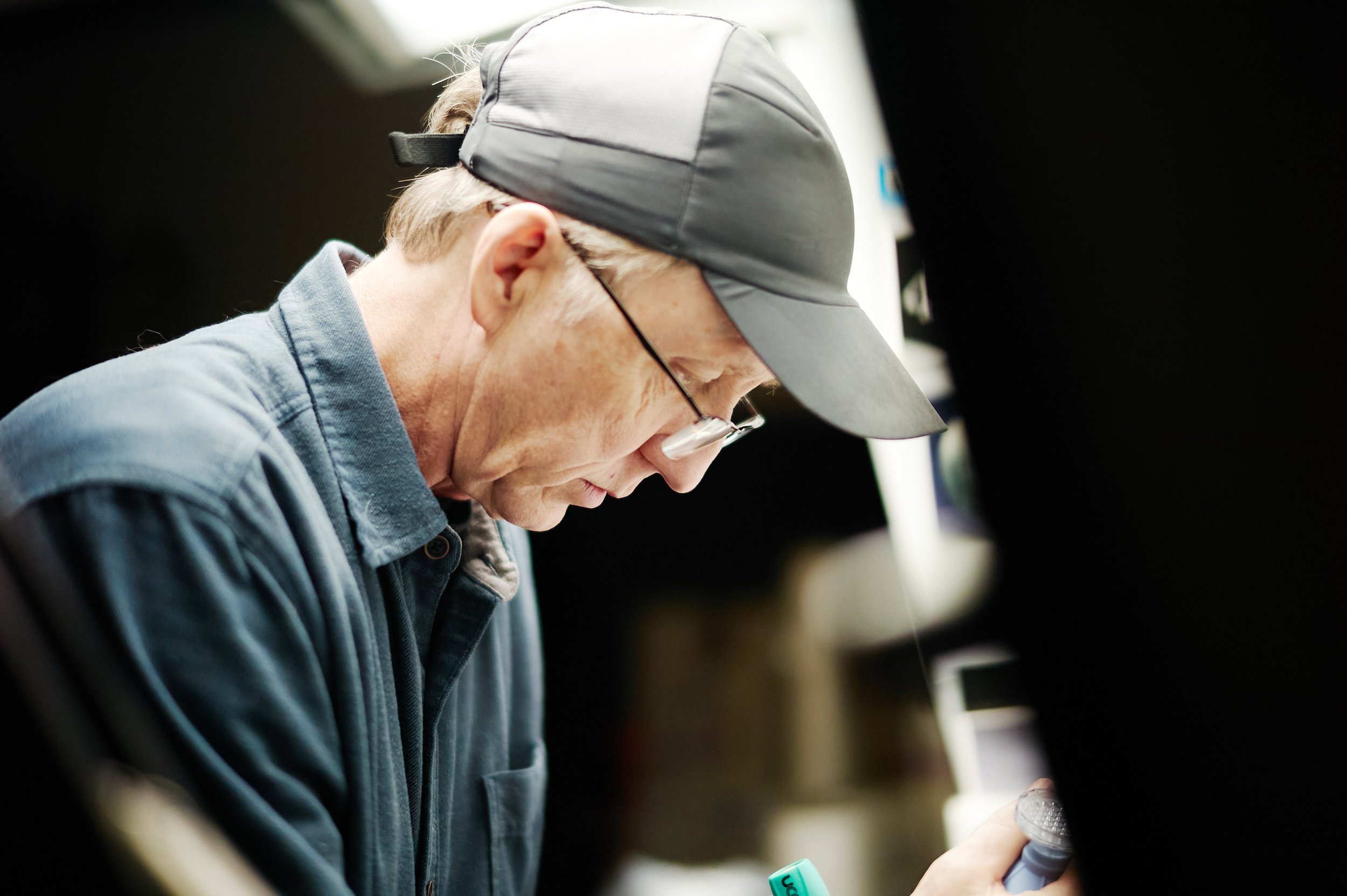
Robert Bullivant of Bullivant Gallery and Consulting, cleaning a medium format sensor. Leica M9 and Voigtlander Nokton 50mm f/1.2 VM, 2025. Processed in Capture One.
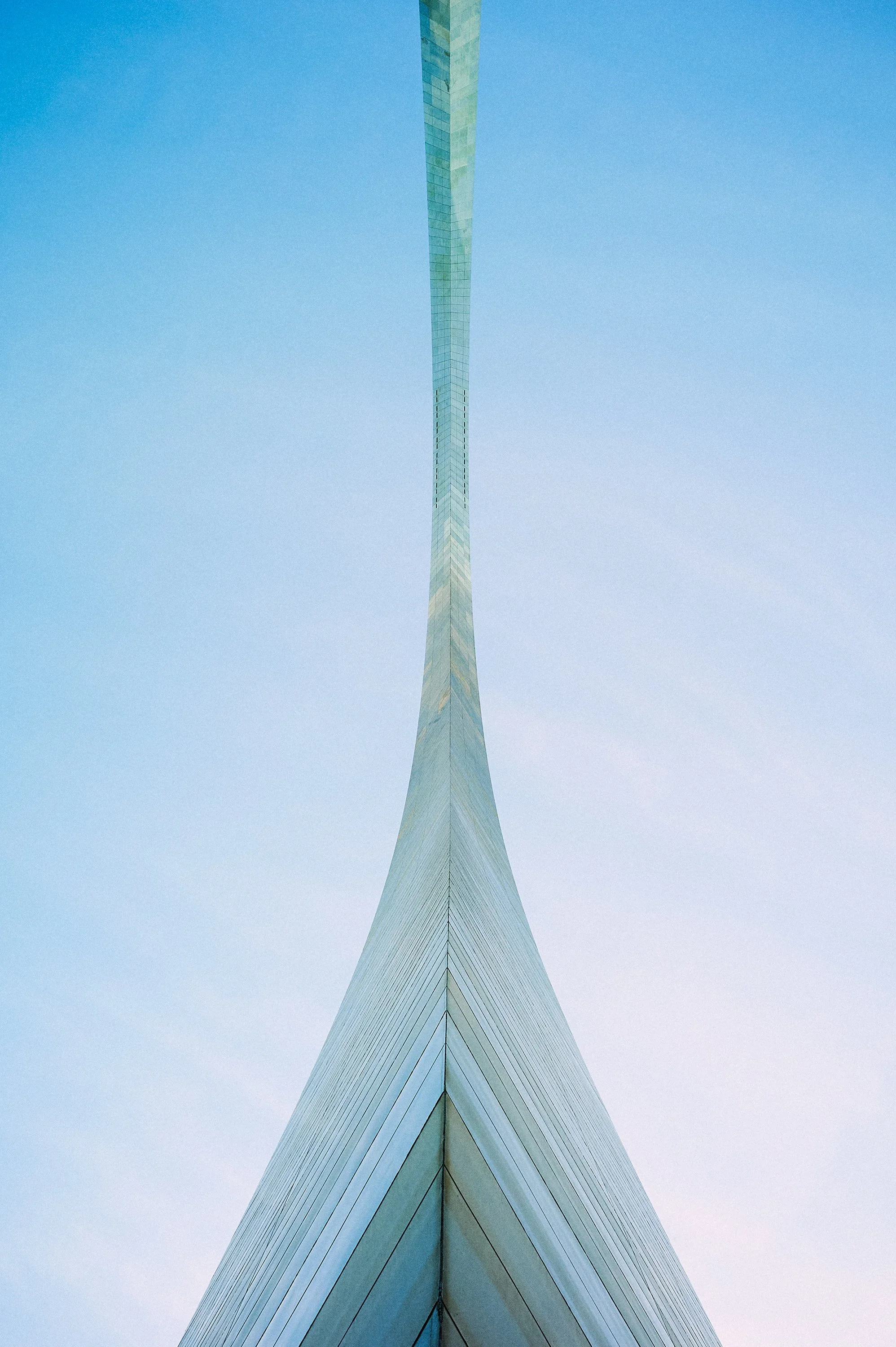
The St. Louis Arch. Leica M9, Voigtlander 35mm ƒ1.4 II. Processed in Capture One.

Tiffany on a walk. Leica M9 and Voigtlander Nokton 50mm f/1.2 VM, 2025. Processed in Capture One.

Leica M9, Voigtlander 35mm ƒ1.4 II. Processed in Capture One.
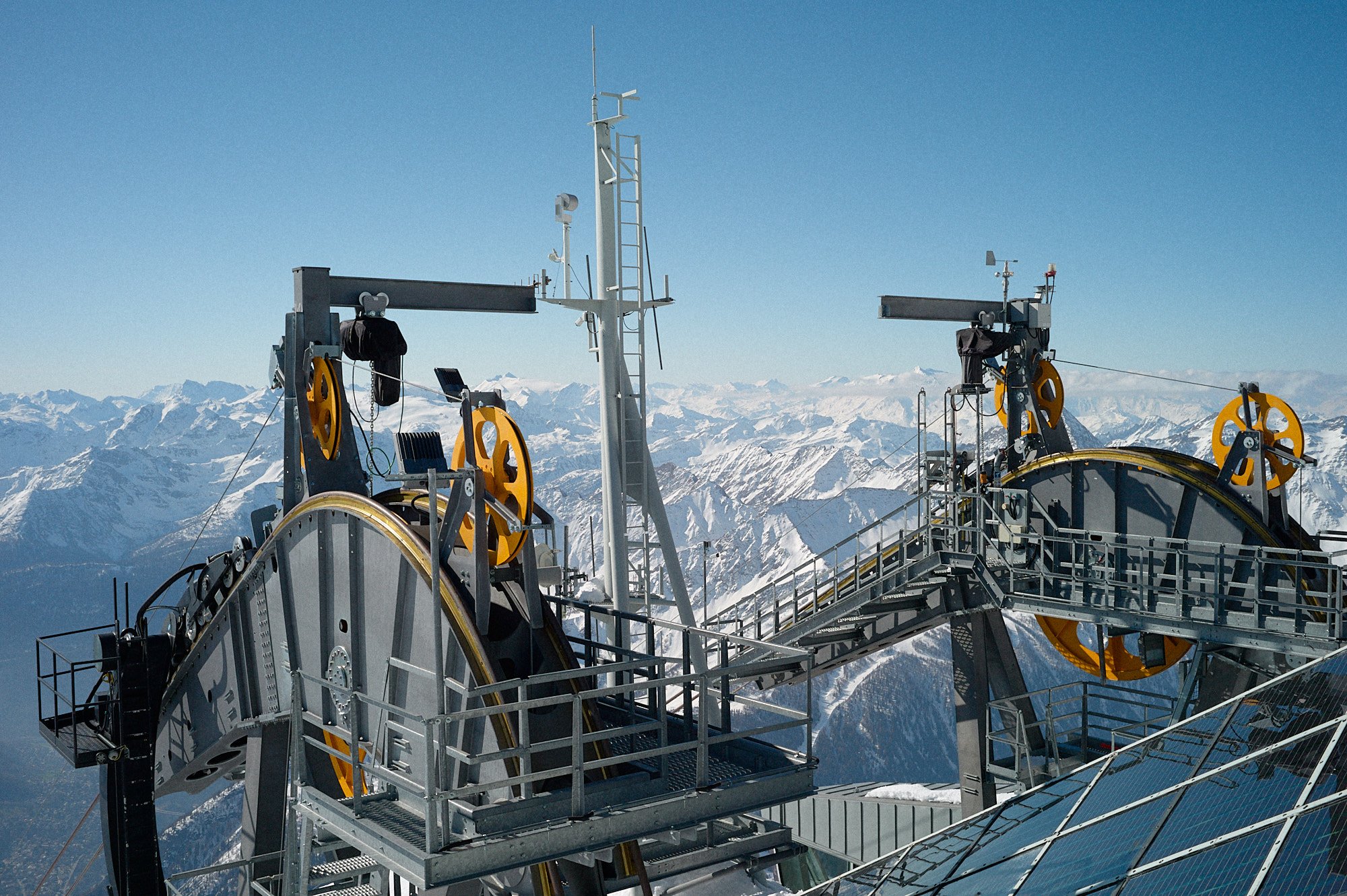
From the top of Skyway Monte Bianco, Italy. Leica M9, Voigtlander Nokton Classic 35mm ƒ1.4 II. Processed in Capture One.

Leica M9 and Voigtlander Nokton 50mm f/1.2 VM, 2025. Processed in Capture One.

Antelope. Canyon. Leica M9, Voigtlander 35mm ƒ1.4 II. Processed in Capture One.
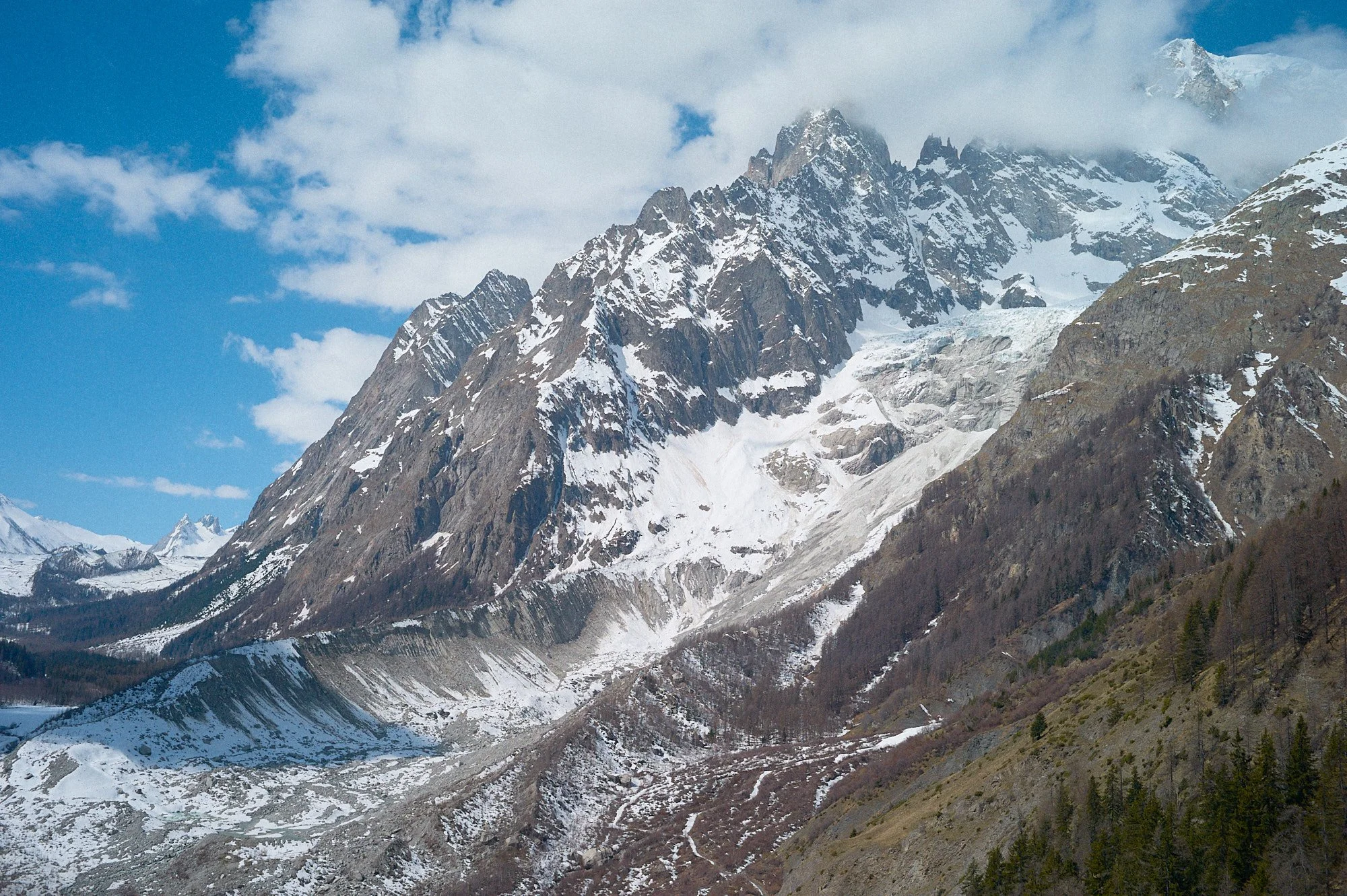
From the cable car of Skyway Monte Bianco, Italy. Leica M9, Voigtlander 35mm ƒ1.4 II. Processed in Capture One.
I’ve had the Leica for a little over two months now, and have taken it on three trips that I wouldn’t have had a camera on me otherwise, save for the iPhone. Of course we’re still on the honeymoon. Time will tell if the M9’s quirks will eventually outweigh its positive intangibles, but I’ve got a good feeling. Along with the M9 I purchased the Voigtlander Nokton 50mm f/1.2 VM and Voigtlander Nokton Classic 35mm ƒ1.4 II. I chose these lenses because they were relatively inexpensive, fast, small, and appeared optically competent. I’ll likely add a 90mm to round out the set of lenses, all of which, including the M9 body and charger, can fit in a small camera bag, or hitch a ride in a bag I’m already taking.
I was looking for a camera that contributed something to the act of making a photograph rather than just being a forgettable step in the process. A camera that was interesting. A camera that made me want to photograph my immediate surroundings. A camera I could learn something from. The red dot and Leica name isn’t a contributing factor, at least as far as I can tell. I certainly don’t wish them to be. More, its about the tangible nature of the camera itself, and dare I say, how it feels. The fact of the matter is I want to use it, and it’s encouraging me to make images that I would have let pass me by before.
All of the images I’ve included in this post were photographed with the M9 in situations where I wasn’t prepared to make images. I wasn’t trying to make work. I wasn’t photographing for a project. I simply saw something interesting and reached for the camera. This is exactly why I added the M9 to my stable, and it’s earned its place faster than I could have anticipated.
